


The Hideaway
Brand for an underground restaurant, cocktail bar and live music venue.
- Logo and sub-mark system
- Colour palette
- Brand assets
- Touchpoint mock-ups
- Social foundation
- Website
Nothing like it in Sydney
The Hideaway sits in a basement on Oxford Street, Bondi Junction. The owners had one reference in mind: Beauty & Essex in New York. Nothing like it existed in Sydney.
A daytime suburb
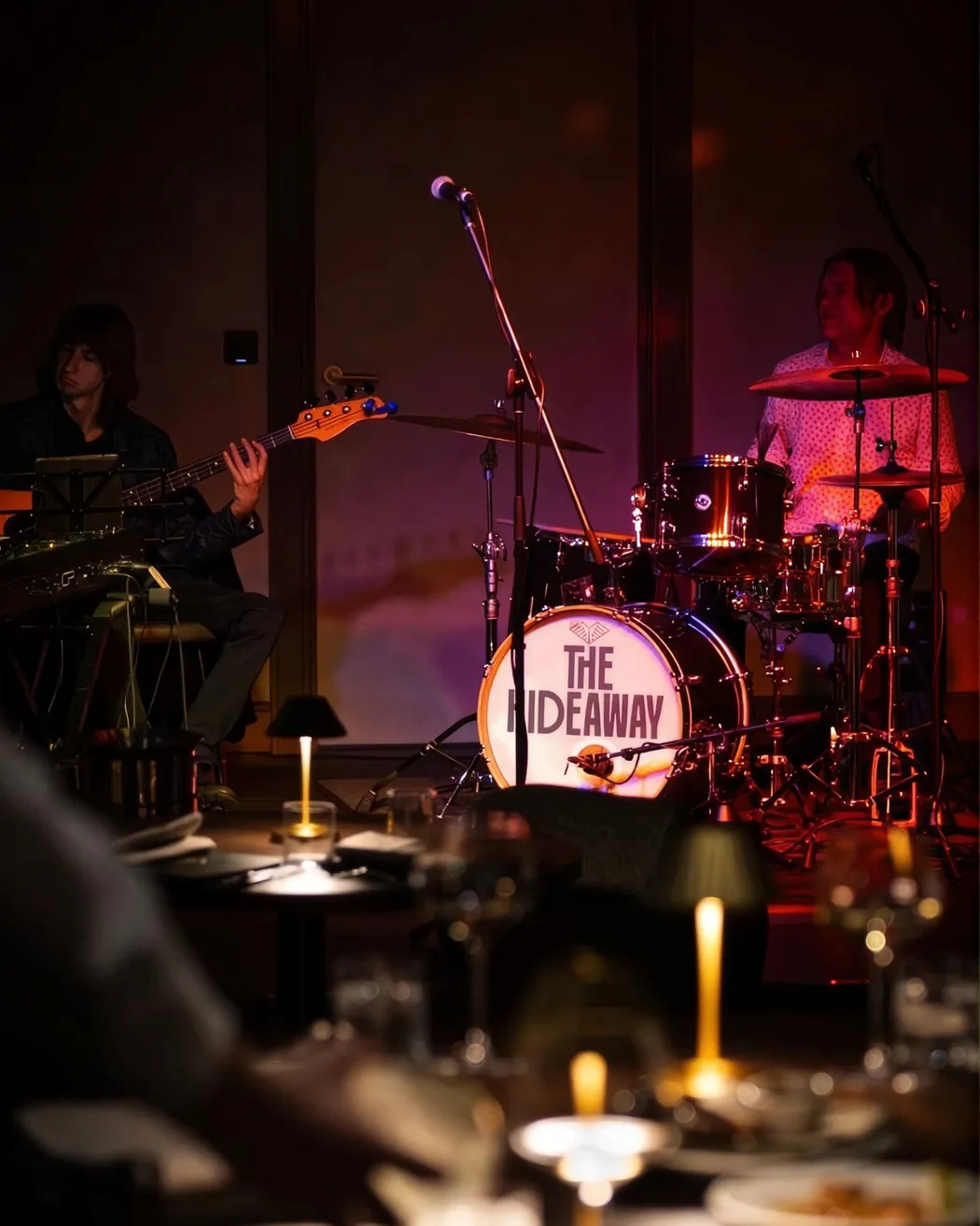
Bondi Junction is where you go for shopping, errands and the office. Nobody went there for a night out. Eastern Suburbs locals headed to the CBD or Double Bay instead. New York gave us the spark, but the gap was closer to home: live music. One venue had to hold a lunch meeting, a corporate function and late-night jazz.
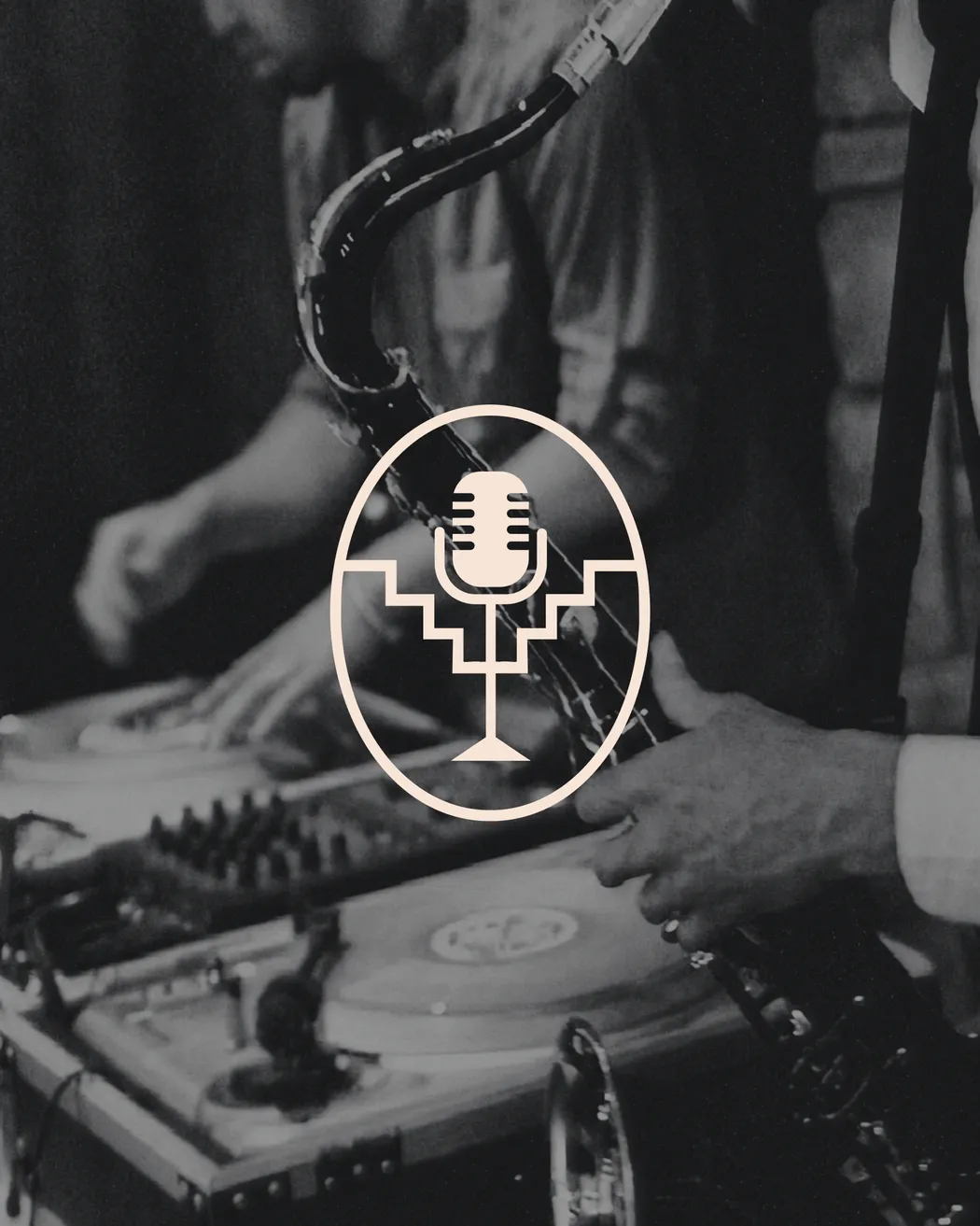
Two staircases, one heart
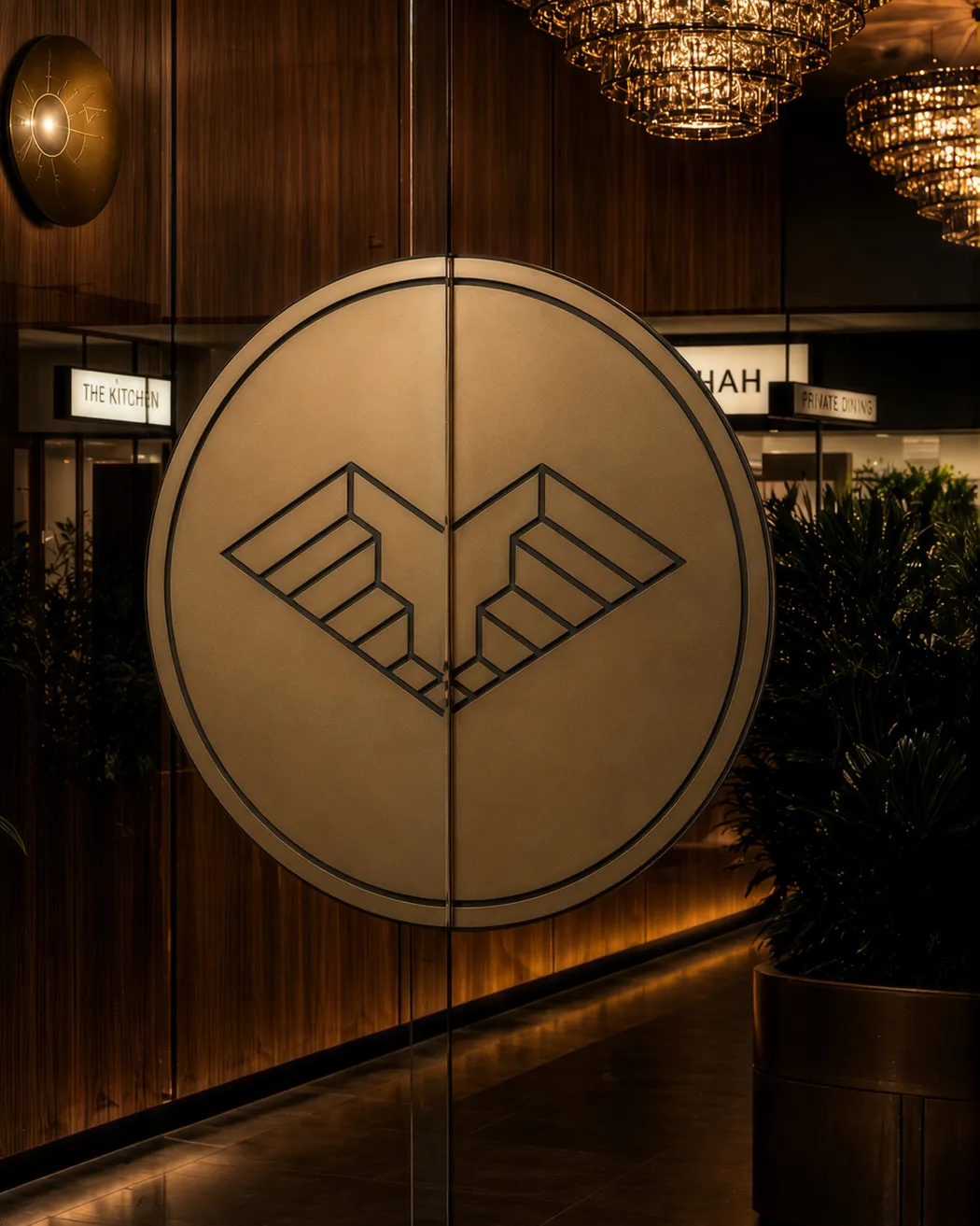
The building gave us the mark. The basement has two staircases, from two different streets. In the logo they meet in the middle and form a heart going down. It reads like the badge of an old jazz club, and it’s the venue itself.
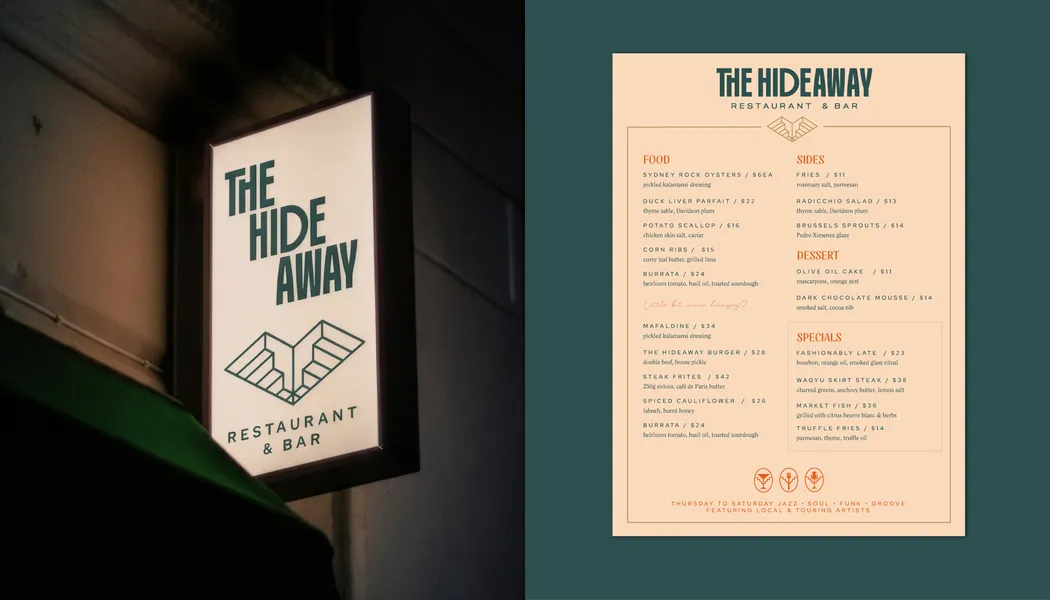
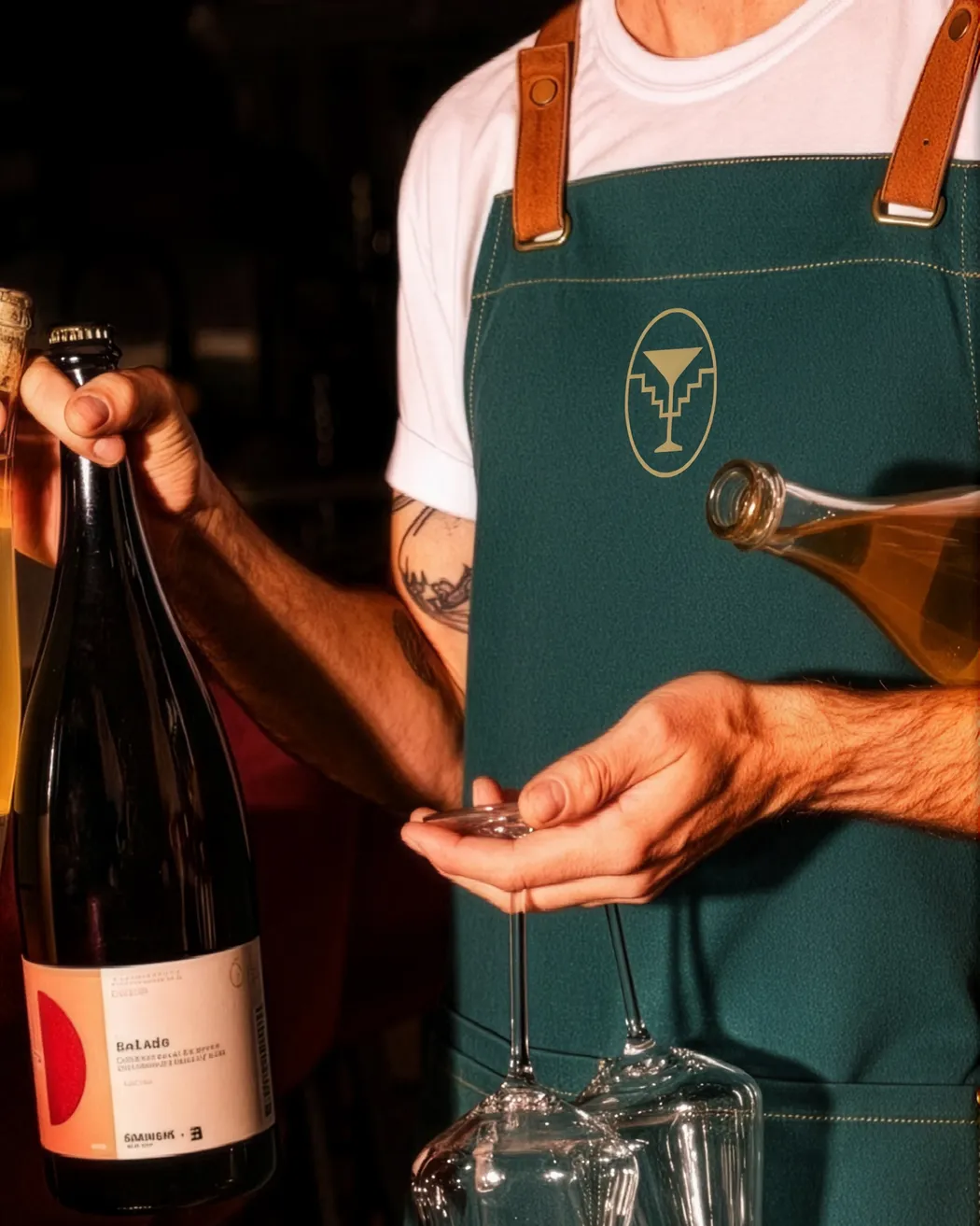
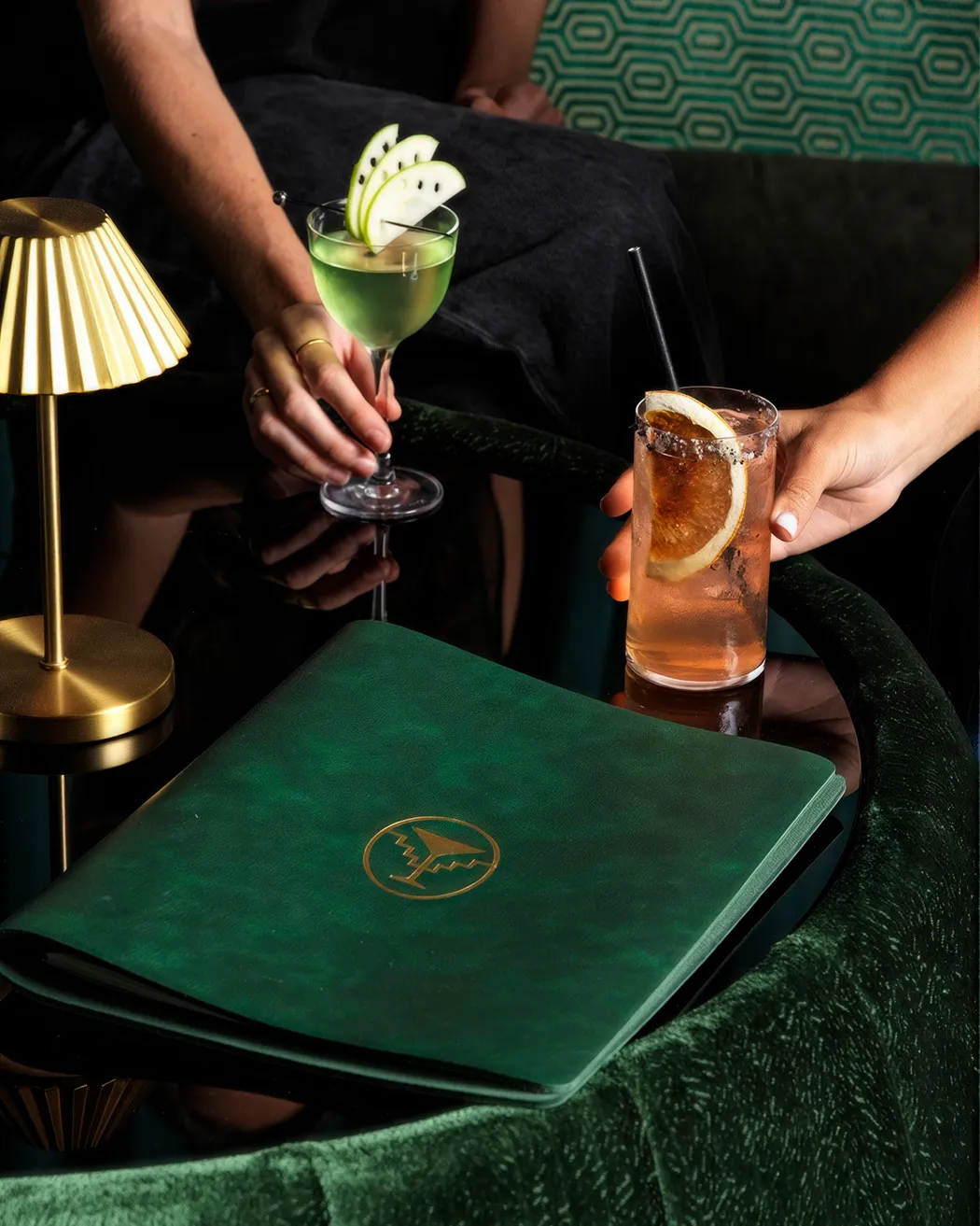
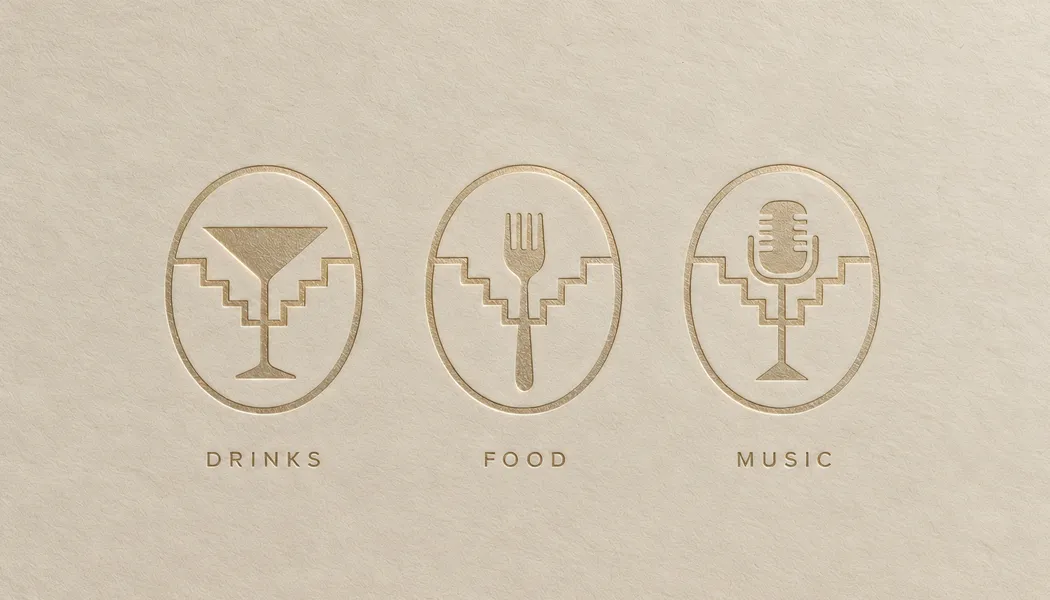
Fork, microphone, martini
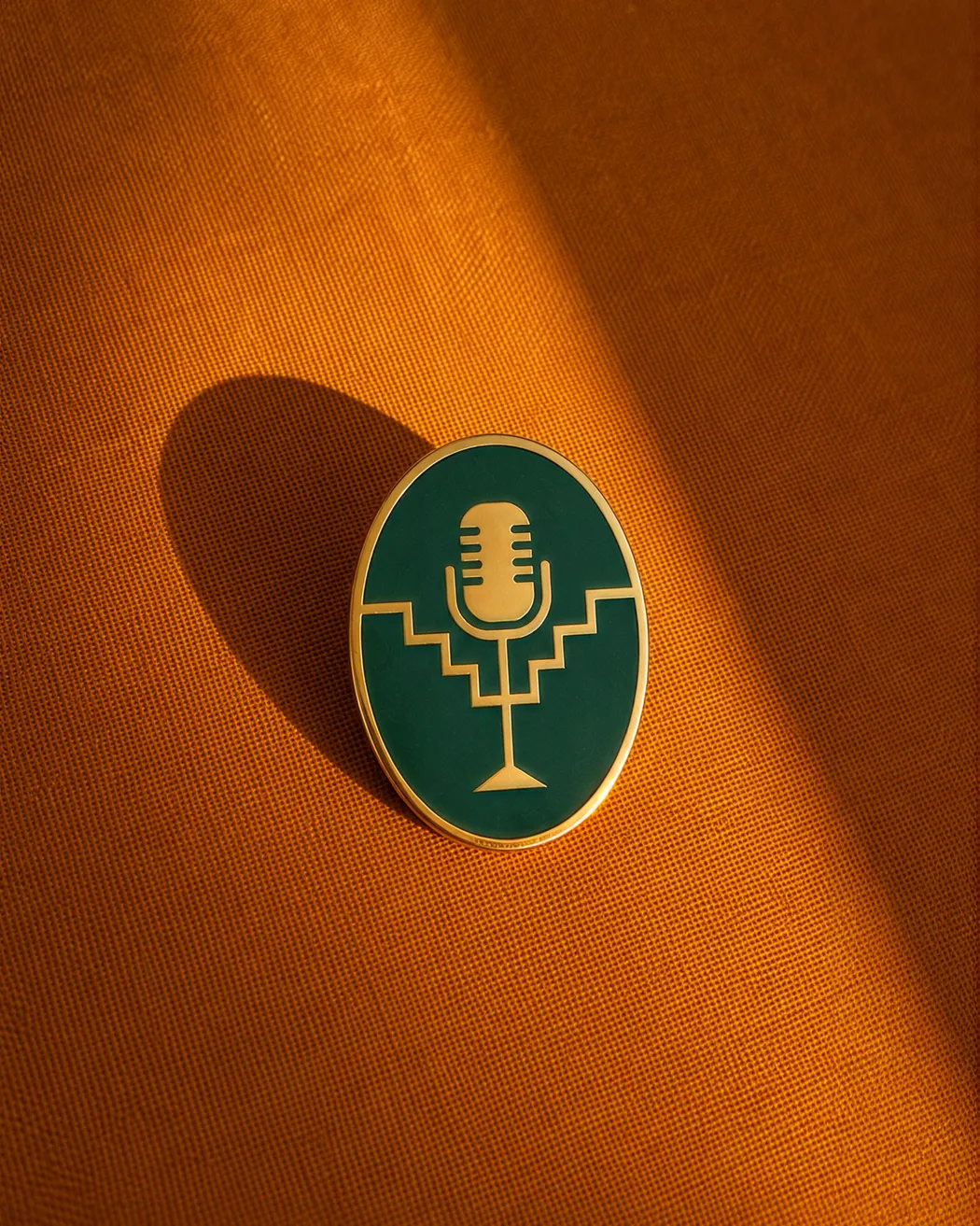
Three smaller marks carry what happens downstairs, drawn in the same line as the stairs: a fork for food, a microphone for music and a martini for cocktails.
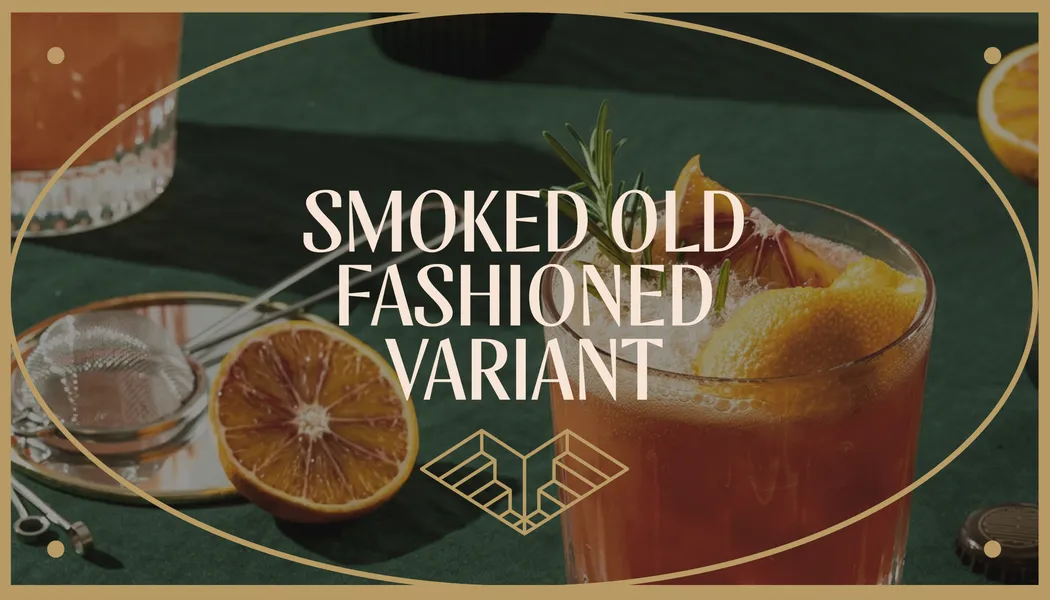
Deep turquoise green makes it grown-up. Gold brings the late night. A little orange keeps it awake. The type borrows from 1970s New York jazz bars and disco, tall and narrow, closer to the animated films of that era than a cold luxury serif.
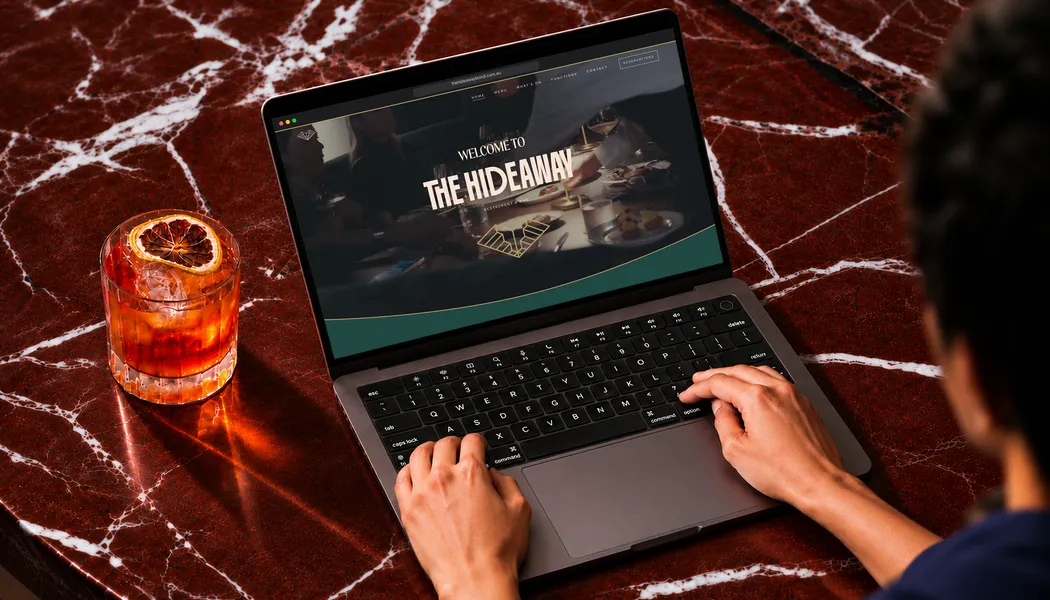
We built the asset kit, mocked up the key pieces for the team, and shaped the brand to sit inside a website template they could launch quickly and run themselves.
Day to night
The Hideaway opened after a multi-million dollar transformation, with a kitchen led by an ex-Bentley chef. Urban List, Concrete Playground, Hospitality Magazine and Not Quite Nigella all covered the launch. The venue now describes itself the way the brand was built: a place that changes character from day to night.
In the press
Sydney Unleashed
“It fills a genuine gap: the kind of premium, multi-experience venue (restaurant, cocktail bar, live music destination) that Eastern Suburbs residents have historically had to travel into the CBD or Double Bay to find.”